A Generic Scanner Reads Codes. CarDr Reads the Vehicle.
OEM-level protocols catch the Transmission & Radar codes generic scanners miss.
 The CarDr Difference
Beyond the scan.
Into the intelligence.
A generic scanner hands you a list of codes and stops. Mechanical Intelligence is what happens next — CarDr translates every code into what it means and what to do about it.
"Most scanners tell you what code was found. CarDr tells you what that code means to the transaction."
— Greg Lubrani, CEO & President, CarDrCapture everything
138 OEM protocols, 50+ ECUs, a full read in 15 seconds — the deepest data capture in the category, not a partial one.
Understand what it means
Every DTC gets a criticality score, a commonality rating, and a plain-English impact statement — not just a five-character code.
Know what to do
Each report ends in a recommended workflow — hold for review, verify root cause, check disclosure — so the read becomes a decision.
A code, and nothing else
P0420. That's it. No sense of urgency, no cost, no next step — just a string of characters and a technician's best guess at what happens next.
A decision, ready to act on
P0420 → High criticality, common fault, $850–$2,200 repair range, recommend mechanical review before release. The same code, turned into a call someone can actually make.
30% faster. Arbitration cut roughly in half.
Real pilot results, not projections — from an auction partner who scanned every vehicle with CarDr before sale.
"Cutting our arbitration exposure roughly in half while moving vehicles through the lane faster than before — that's the kind of result that changes how we think about pre-sale inspection."
— General Manager, wholesale auto auction pilot partnerThe report that closes the deal.
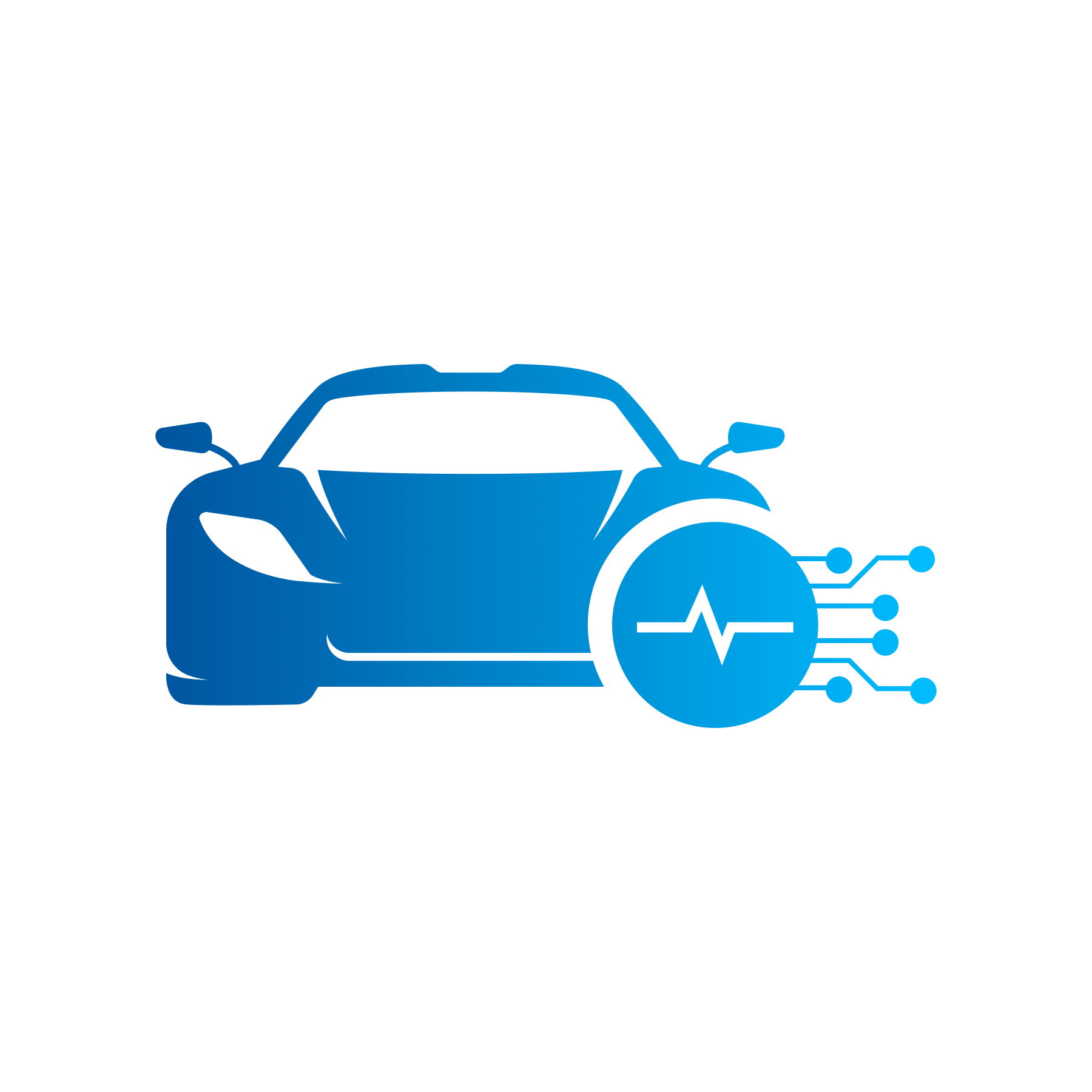
A full engine diagnostic scan — active DTCs, repair cost bands, code-reset history, and open NHTSA recalls, all in one report. This is the moment prospects go from "interesting" to "when can we start."
- — Active, pending, and historic DTCs with parts & labor cost ranges
- — Criticality and commonality scoring on every code
- — Recent code-reset detection
- — Open NHTSA recall summary tied to the VIN
One scan, four ways to protect margin.
Whoever is on the hook when a vehicle turns out to be worse than it looked, CarDr gives them the read before the decision, not after.
Cut arbitration before it starts
Score every DTC individually instead of flagging on a single repair threshold — a full risk picture in the lane, not a single red flag.
Buy with the fault history, not around it
See patterned component failures and code-reset history before you bid, so the vehicle you buy is the vehicle you priced.
Close the visibility gap on claims
OEM-level protocol coverage catches the B, C, and U codes that generic scanners miss — the ones that quietly erode claim margin.
Know a vehicle's real condition, fast
A 15-second scan across the full protocol stack fits inline with intake, inspection, or remarketing workflows without slowing them down.
Add diagnostic depth to every inspection
Pair ULTRA's scan data with your existing inspection checklist and dispatch flow — one more layer of certainty, no new hardware learning curve.
License the data, not just the device
Full SDKs and APIs let you trigger a scan and publish CarDr diagnostic data directly inside your own native app.
The world's first dynamically reconfiguring OBD system.
Static OBD readers check what they're told to check. ULTRA adapts to the vehicle in front of it, in real time — reading more ECUs, more protocols, and more codes than a generic scanner in a fraction of the time.
See the Full Comparison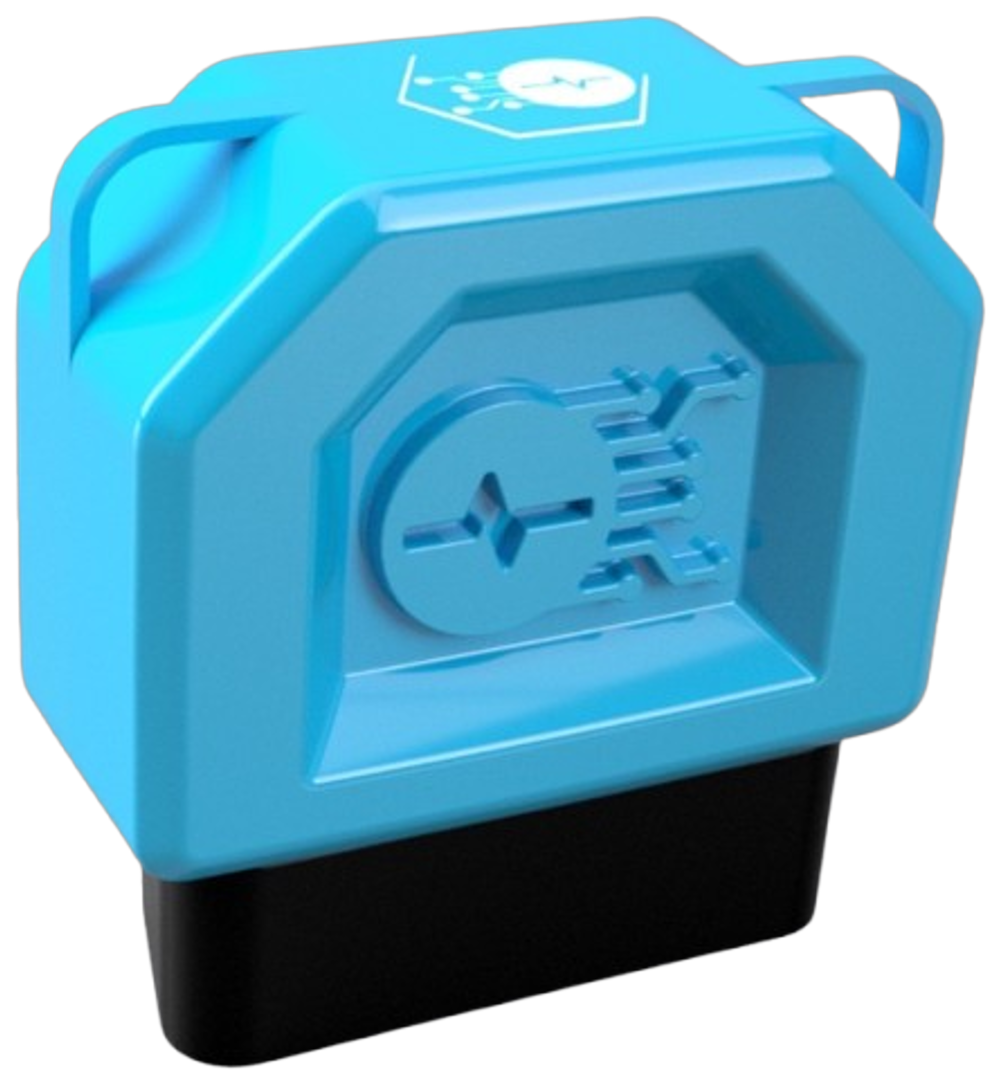
Real-time data for appraisals that actually hold up.
CarDr correlates ULTRA's diagnostic read with repair-cost bands, patterned component failure data, vehicle history, and current market values — so the appraisal reflects the vehicle's real condition, not just its odometer.
Solution highlights
- — Patterned component failure detection
- — Repair estimates with parts & labor costs
- — Vehicle history report integration
- — Current market value correlation
- — Appraisal report with CarDr IQ Value
Trigger a scan. Publish the data. Your app, your brand.
Full SDKs trigger the ULTRA device directly from your native app. Full APIs publish diagnostic data straight back into it. White-label hardware available.
Explore the SDKBuilt to disappear into your workflow.
Whether you're building a car-diagnostic feature into an existing platform or dispatching inspectors with GPS-tracked assignments, CarDr's hardware and software plug into what you've already built.
We don't put your feedback on next year's roadmap.
Most software vendors ask you to adapt to their platform. CarDr adapts to you — in one month, we delivered 13 customer-requested enhancements. And some were designed, developed, tested, and deployed in under 24 hours.
"One of the core principles of CarDr is that we listen. When our customers tell us something can be improved, we don't wait — we get to work immediately." — Greg Lubrani, CEO